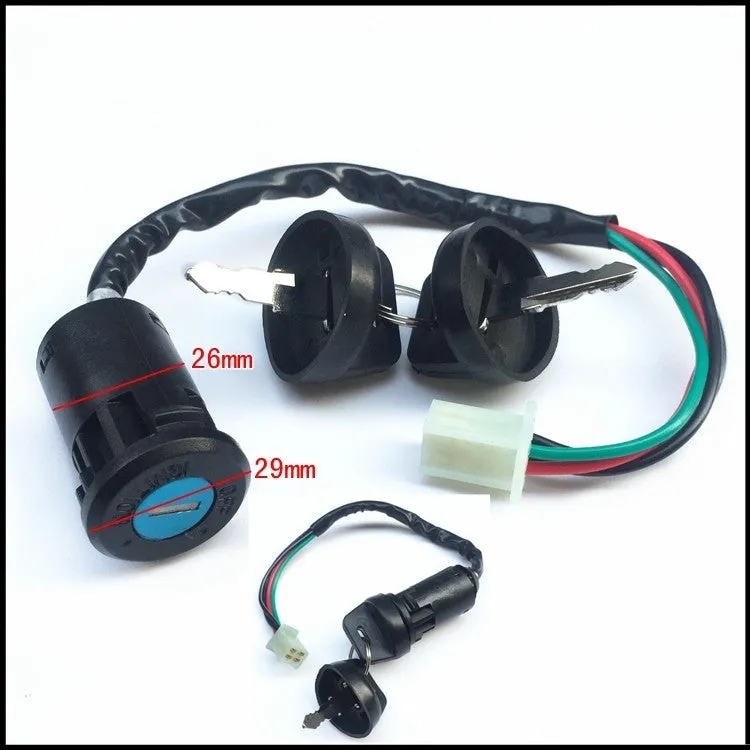
Electric door lock for cars with waterproof construction, available in three wiring configurations: 2-grade 2-line, 2-grade 4-line, and waterproof 2-grade 4-line models


Electric door lock for cars with waterproof construction, available in three wiring configurations: 2-grade 2-line, 2-grade 4-line, and waterproof 2-grade 4-line models
Waterproof Electric Door Lock for Cars: Three Wiring Configurations

This electric door lock actuator is designed as a direct replacement or upgrade component for vehicle central locking systems. Its primary role is to provide reliable, remote-controlled locking and unlocking of car doors. The product is distinctively offered in three specific wiring configurations to match different vehicle electrical setups: the standard 2-grade 2-line, the enhanced 2-grade 4-line, and a specialised waterproof version of the 2-grade 4-line model. This variety ensures there is a suitable option for a range of automotive applications, from everyday cars to vehicles exposed to damp conditions. The unit is supplied individually, packaged ready for integration by automotive technicians or experienced DIY enthusiasts familiar with car electrical systems.
Features and Construction
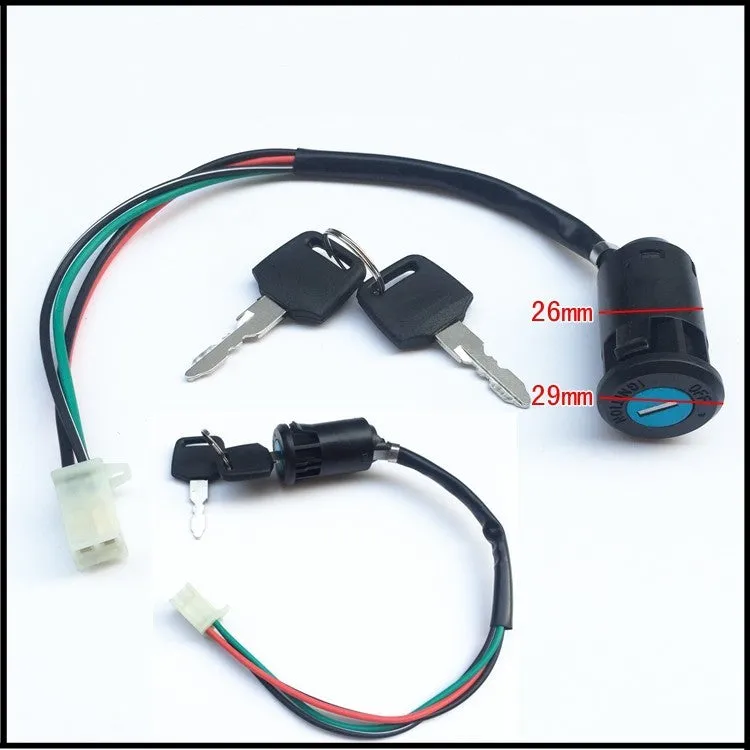
The lock's functionality is defined by its wiring and build. Each model is engineered to interface with a car's central locking control module, activating the door mechanism upon receiving an electrical signal.
Material and Build
The actuator is housed in a plastic casing, which encloses the internal solenoid or motor mechanism. This plastic construction provides a lightweight yet protective shell for the electrical components. The specific 'waterproof' designation for one model indicates additional sealing measures are incorporated into that variant's design to resist moisture ingress, which is a practical advantage for vehicles in humid climates or where door seals may be compromised.
Size and Practical Fit
While exact dimensions are not provided, the product is described as a compact 'electric door lock' unit. This implies a form factor designed to fit within the cavity of a car door panel, alongside the window regulator and internal crash bar. Its installation typically involves connecting its wires to the car's central locking harness and mechanically linking its actuator arm to the existing door latch rod.
Uses and Placement

This component serves a specific function within a vehicle's security and convenience system. Its installation is a targeted upgrade or repair task.
Event or Professional Use
For automotive workshops and mobile car locksmiths, this product is a service part. It can be used to repair faulty door locks on customer vehicles, restoring remote locking functionality. The availability of three wiring types allows professionals to stock a versatile component that can address various car makes and models, potentially reducing the number of specific part numbers they need to carry.
Everyday Home Use
For the car owner with relevant technical skills, this actuator enables DIY repair of a non-functioning power door lock. It can also be used in custom installations, such as adding central locking to a vintage car or a utility vehicle that lacked it as standard equipment. Choosing the correct wiring model is crucial for compatibility with the existing or newly installed central locking control unit.
Benefits and Buying Value
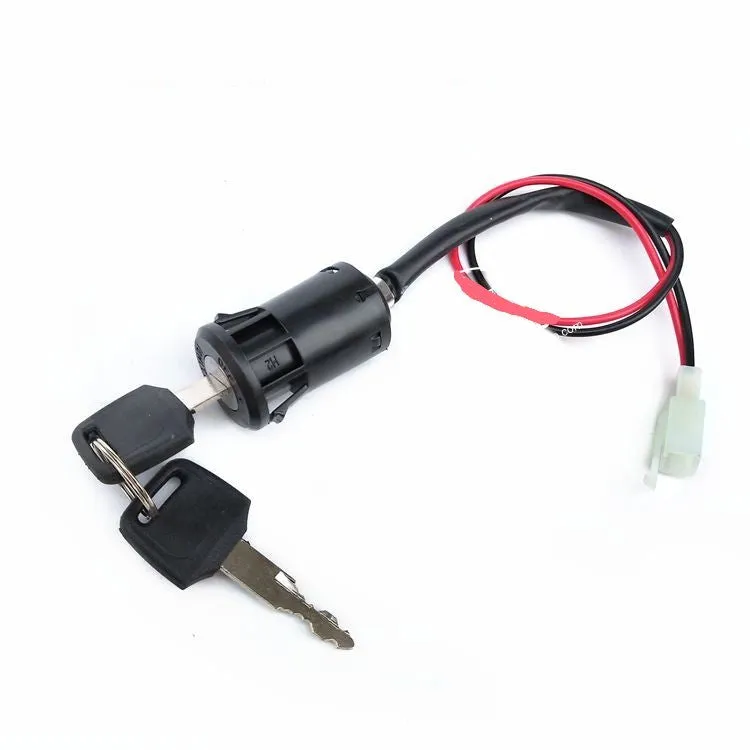
The value of this product lies in its role as a focused, functional component rather than a complex system.
Reuse and Low Maintenance
As a replacement part, its primary benefit is restoring the full function of a car's central locking system, which is a feature used multiple times daily. A reliable lock actuator contributes to vehicle security and convenience. The waterproof variant, in particular, is designed to offer increased longevity in environments where moisture could cause a standard unit to fail prematurely, suggesting a focus on sustained performance.
Why Choose This Product
The key decision point is the selection of the wiring configuration. The 2-grade 2-line model is likely a basic two-wire actuator. The 2-grade 4-line model may offer additional control lines, perhaps for feedback or half-locking functions. The waterproof 2-grade 4-line model combines the more complex wiring with environmental protection. This clear segmentation allows buyers to select the exact specification required for their vehicle's electrical design, preventing compatibility issues and ensuring correct operation post-installation.