
GR-1002 outdoor TV antenna with rotatable high gain design receives digital terrestrial television signals across 470-862 MHz frequency range for enhanced UHF reception with 75 ohm impedance


GR-1002 outdoor TV antenna with rotatable high gain design receives digital terrestrial television signals across 470-862 MHz frequency range for enhanced UHF reception with 75 ohm impedance
GR-1002 outdoor rotatable high gain television antenna for 470-862 MHz digital terrestrial reception
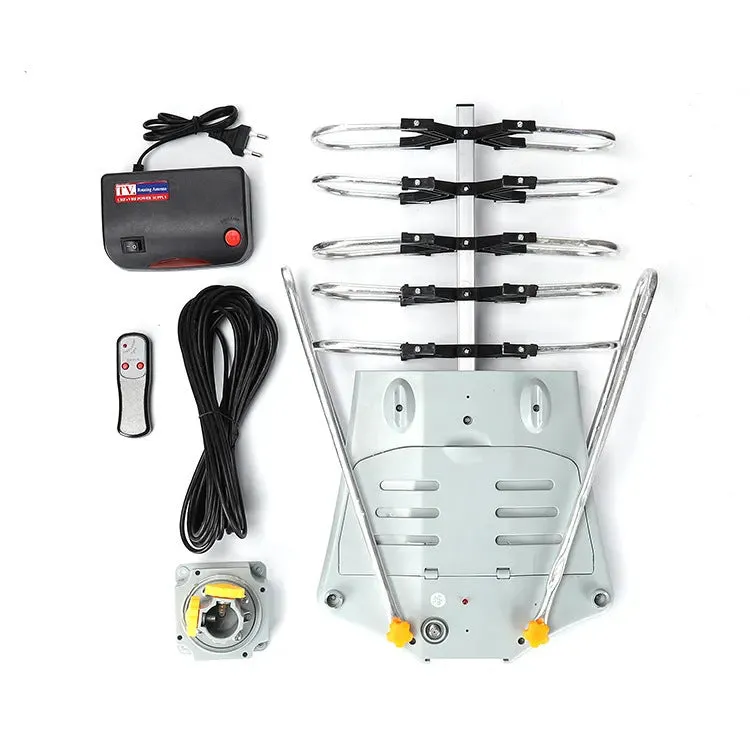
For households struggling with pixelated pictures, missing channels, or unreliable digital television reception, the GR-1002 outdoor antenna provides a dedicated solution that doesn't rely on internet connectivity. This high-gain directional antenna is engineered to capture UHF signals across the full spectrum used for digital terrestrial broadcasts in the UK and many other regions. With a rotatable mounting system, you can precisely aim the antenna toward your nearest transmission mast to maximise signal strength, potentially recovering channels that indoor aerials cannot detect. The 28-36 gain specification indicates its ability to amplify weaker signals, making it particularly suitable for suburban, rural, or built-up areas where obstructions degrade broadcast quality.
Features and Construction

The GR-1002 is built as a permanent outdoor reception solution, with components selected to withstand weather exposure while maintaining electrical performance. Unlike simpler indoor antennas, this model is designed for installation on roofs, walls, or poles where it can achieve optimal line-of-sight to transmitters. The construction focuses on reliable signal capture rather than aesthetic considerations, prioritising functionality for consistent television viewing.
Material and Build
Constructed from weather-resistant materials suitable for extended outdoor exposure, the antenna employs metal elements tuned to the UHF frequency range. The electronics are housed in protective casings that shield internal components from moisture and temperature fluctuations while maintaining the critical electrical characteristics. The rotatable mechanism allows adjustment after installation, enabling fine-tuning without needing to physically reposition the entire mounting hardware when signal conditions change or new transmission towers become active.
Size and Practical Fit
While specific dimensions aren't provided in the source specifications, outdoor television antennas typically require adequate mounting space with clearance from obstructions like trees, walls, or other structures that could block or reflect signals. The directional nature of this high-gain design means it performs best when pointed toward the broadcast source, requiring consideration of installation orientation. Households will need to ensure they have suitable mounting points available, along with appropriate coaxial cable routing to connect the outdoor antenna to their indoor television equipment.
Uses and Placement

This antenna serves households receiving television through terrestrial digital broadcasts rather than satellite, cable, or streaming services. Its performance characteristics make it applicable across various reception scenarios, from moderate signal areas needing amplification to difficult locations where basic antennas fail entirely. Proper placement significantly impacts performance, making installation considerations as important as the antenna's technical specifications.
Event or Professional Use
While primarily designed for residential television viewing, the GR-1002 could support temporary installations for events, exhibitions, or monitoring stations requiring reliable terrestrial broadcast reception. Its standard 75 ohm impedance ensures compatibility with professional video equipment and distribution systems using coaxial infrastructure. The consistent performance across the 470-862 MHz range makes it suitable for receiving multiple digital multiplexes simultaneously, which could be valuable for multi-screen displays or signal monitoring applications where comprehensive channel coverage matters.
Everyday Home Use
For typical household television viewing, this antenna connects directly to a television's aerial input or to a Freeview set-top box. The enhanced gain helps overcome signal loss through long cable runs or distribution to multiple rooms within a property. Families in areas with moderate signal strength may find it eliminates the occasional pixelation or audio dropouts that occur during adverse weather or peak viewing times when signal reflection patterns change. The rotatable feature proves particularly useful when initially positioning the antenna or when local transmission arrangements change, such as during digital switchover periods or when new local television services launch.
Benefits and Buying Value
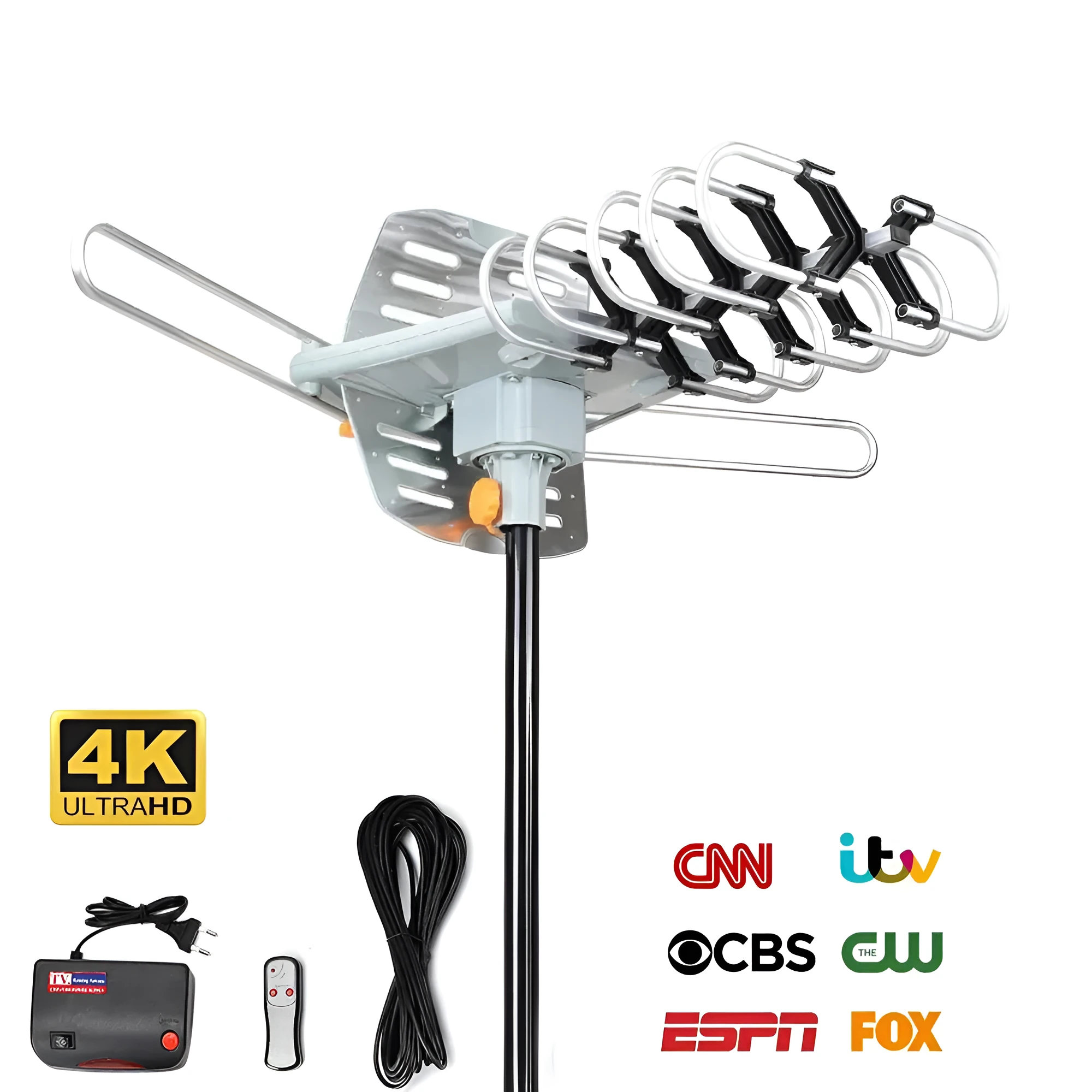
The GR-1002 provides a hardware solution to reception problems that software or subscription services cannot address, offering one-time investment rather than ongoing monthly costs. Its technical specifications target the specific challenges of digital terrestrial television, where signal quality directly determines picture reliability and channel availability. This antenna represents practical value through consistent performance rather than through aesthetic or convenience features.
Reuse and Low Maintenance
Once properly installed, the outdoor antenna requires minimal ongoing maintenance beyond occasional checks for weather damage or connection corrosion. The durable construction materials are selected for longevity in outdoor environments, potentially serving through multiple television receiver upgrades. Unlike subscription television services, there are no recurring fees, and the antenna remains compatible with future broadcast standards within the same frequency range. Should households relocate within similar broadcast coverage areas, the antenna can typically be reinstalled at a new property with appropriate mounting hardware.
Why Choose This Product
The GR-1002 distinguishes itself through its combination of rotational adjustment and specified gain characteristics, offering more control over reception than fixed-position antennas. The 28-36 gain range provides measurable amplification rather than unspecified "boosted" performance, while the ≤1.5 standing wave ratio indicates efficient signal transfer to your television equipment. Households experiencing specific UHF reception issues will find its targeted frequency range addresses their actual problem, unlike broadband antennas that cover wider but less relevant frequency spectra. This antenna provides a technical solution grounded in broadcast engineering principles rather than marketing claims.