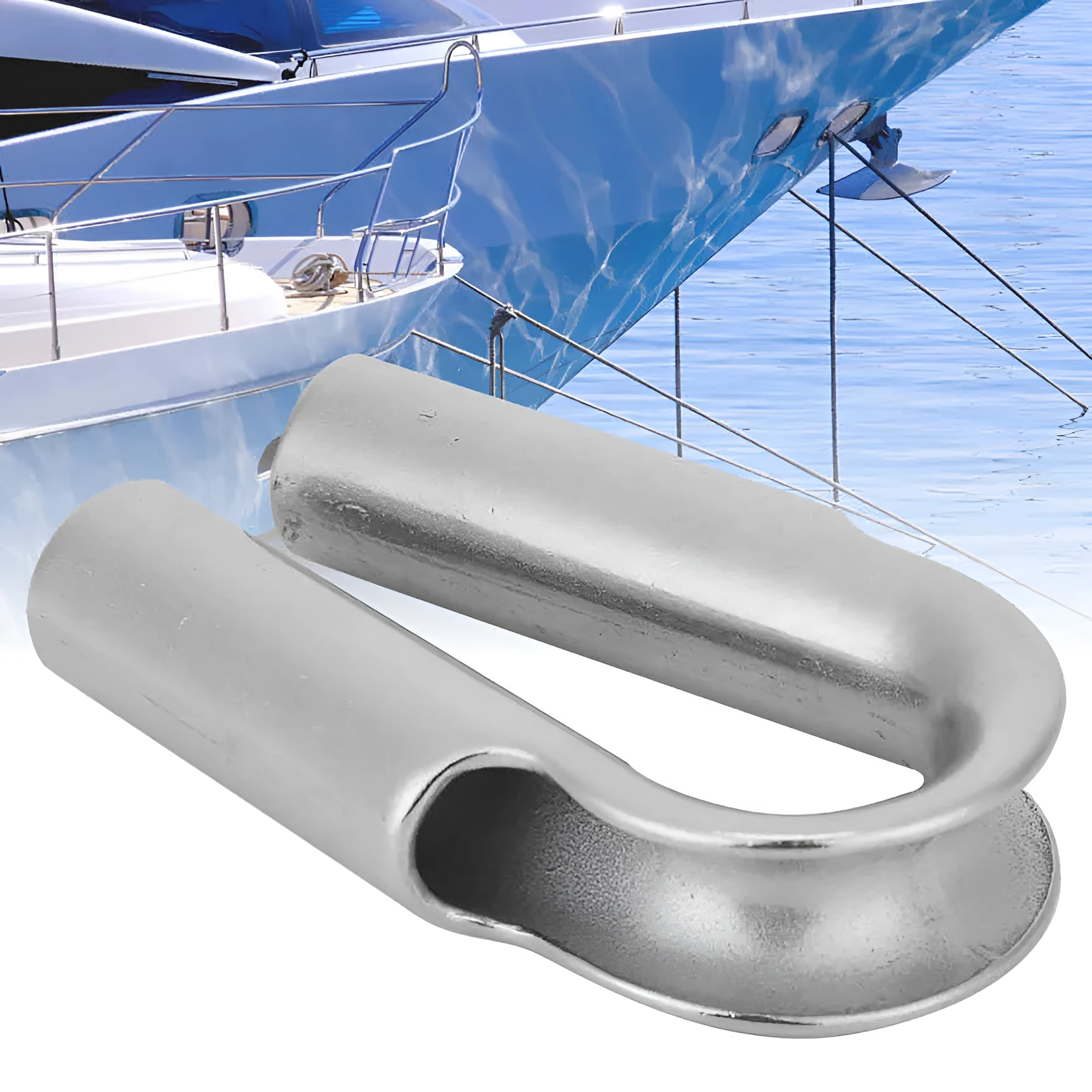
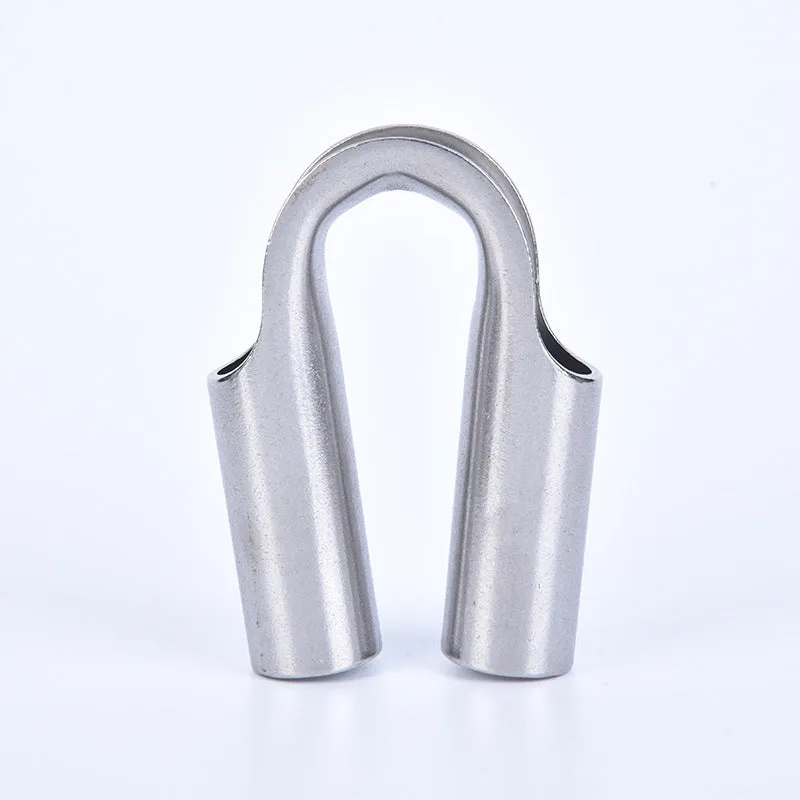
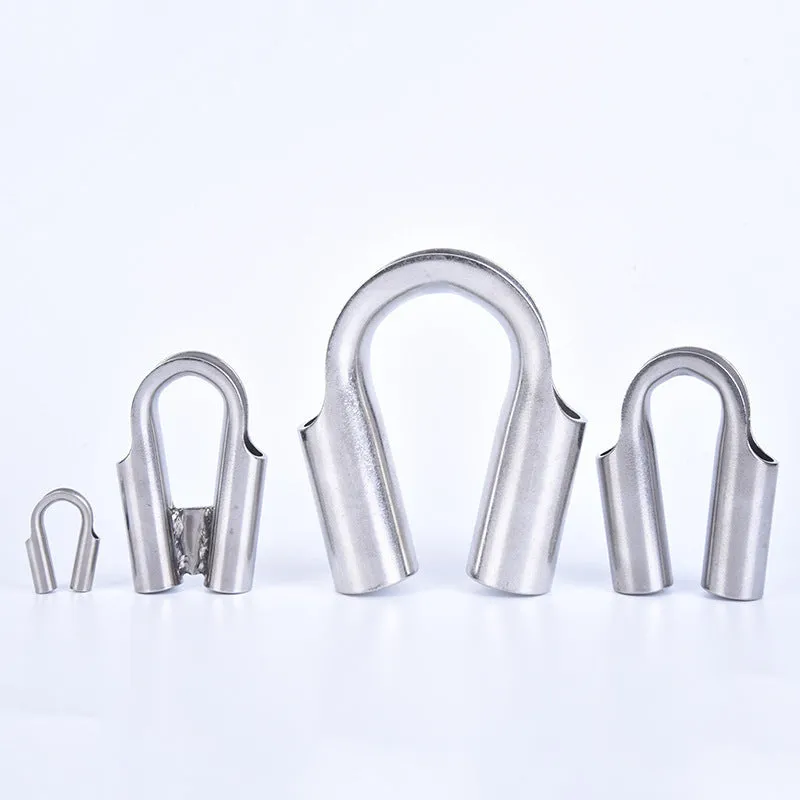
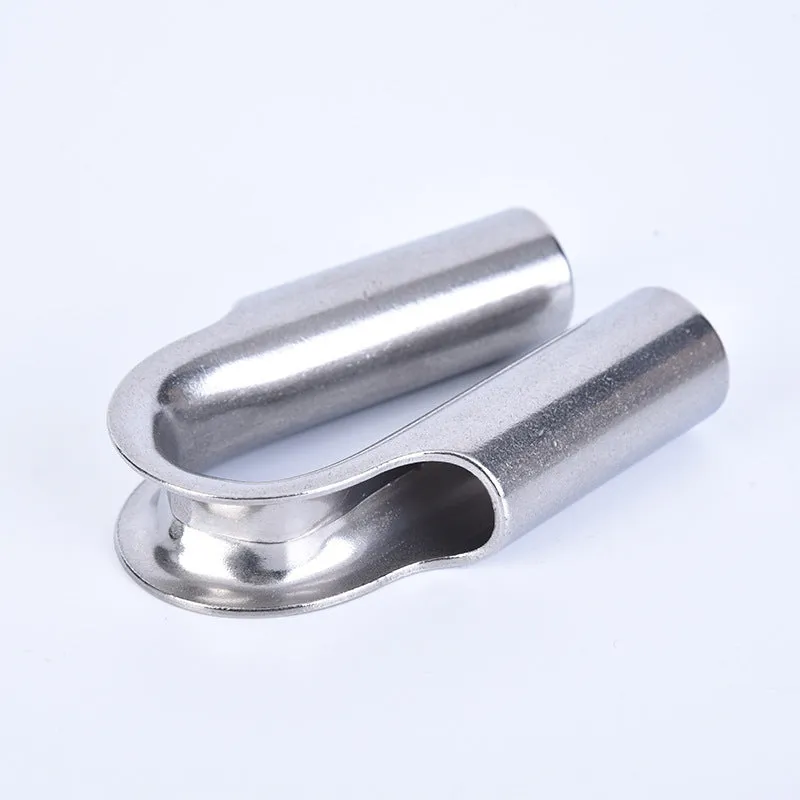
Stainless steel chicken heart ring sleeve ring in tubular round form available in sizes M4, M6, M8, M10, M12, M14, M16, M18, M20, M22, M25, M28, M32, M35 and made from 304 or 316 grade stainless steel material.


Stainless steel chicken heart ring sleeve ring in tubular round form available in sizes M4, M6, M8, M10, M12, M14, M16, M18, M20, M22, M25, M28, M32, M35 and made from 304 or 316 grade stainless steel material.
Stainless Steel Tubular Chicken Heart Ring: A Corrosion-Resistant Sleeve Ring for Mechanical Assembly
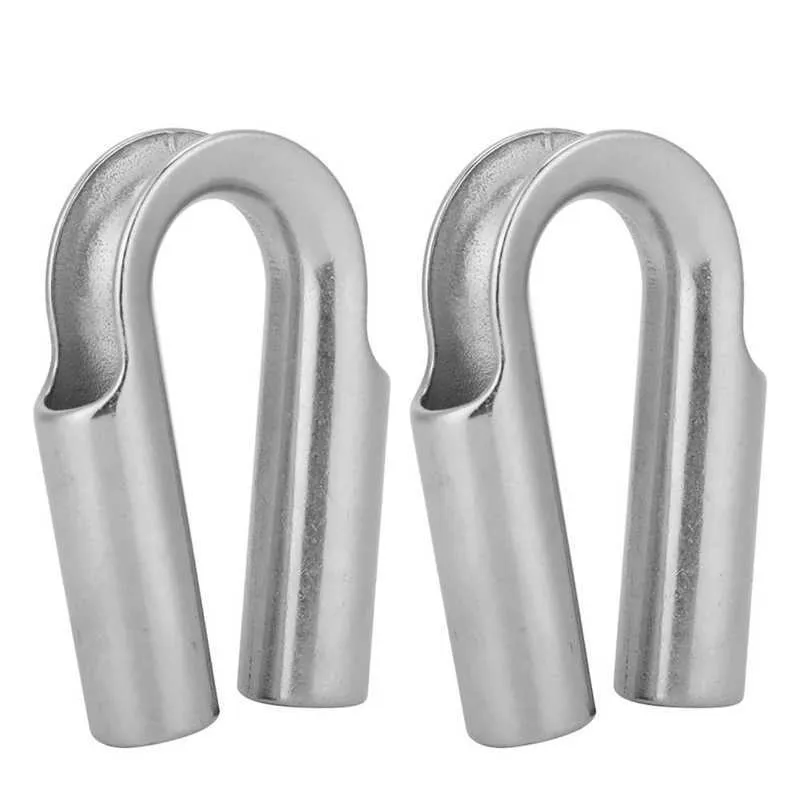
This stainless steel tubular chicken heart ring functions as a round sleeve ring, designed to act as a component within various mechanical and structural assemblies. Fabricated from either 304 or 316 grade stainless steel, its primary material characteristic is resistance to corrosion and oxidation, making it a practical choice for applications where environmental durability is a factor. The product is offered with the option for processing customisation, allowing adjustments to meet specific project parameters. It is available in an extensive range of standardised tubular sizes, from M4 up to M35, and can be ordered as a single unit or a pair, providing versatility for different scales of installation and use.
Features and Construction
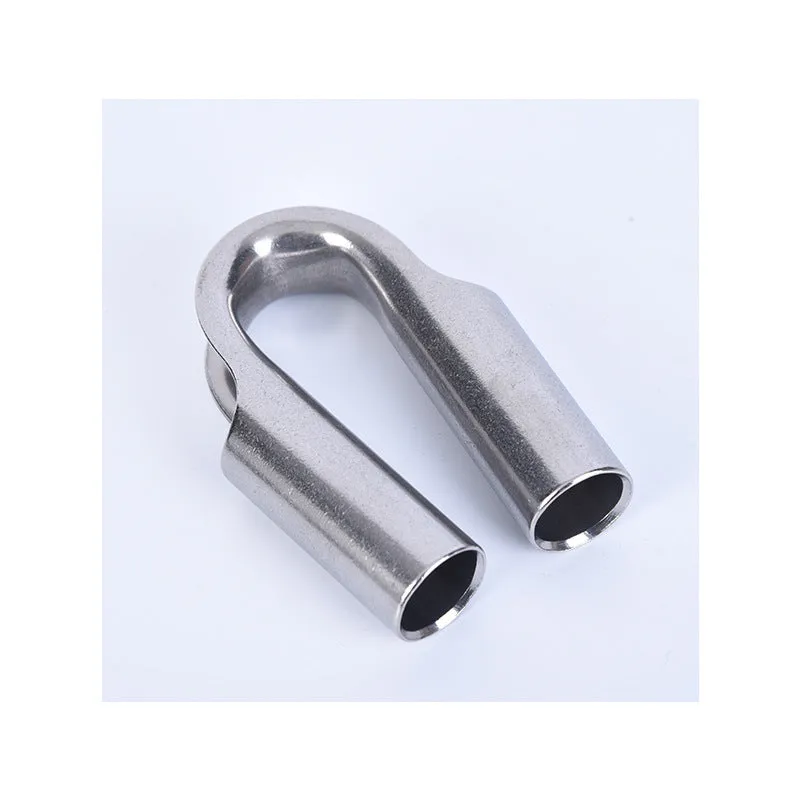
The ring is constructed as a tubular component shaped into a chicken heart form, serving as a sleeve ring. Its design and material selection are focused on providing a reliable fastening or connecting element.
Material and Build
Constructed from stainless steel, specifically grades 304 or 316. These grades are known for their alloy composition which contributes to resistance against rust and corrosion, a key consideration for components used in humid, industrial, or outdoor settings. The use of stainless steel supports the ring's role in assemblies where long-term material integrity is required without the need for protective coatings.
Size and Practical Fit
The product is available in a wide array of tubular sizes, listed as M4, M6, M8, M10, M12, M14, M16, M18, M20, M22, M25, M28, M32, and M35. This range accommodates different shaft diameters, bolt sizes, or tubular structures it may need to sleeve or connect. The availability of both single-piece (1pc) and two-piece (2pcs) options allows users to procure the exact quantity needed for symmetrical assemblies or single-point connections.
Uses and Placement
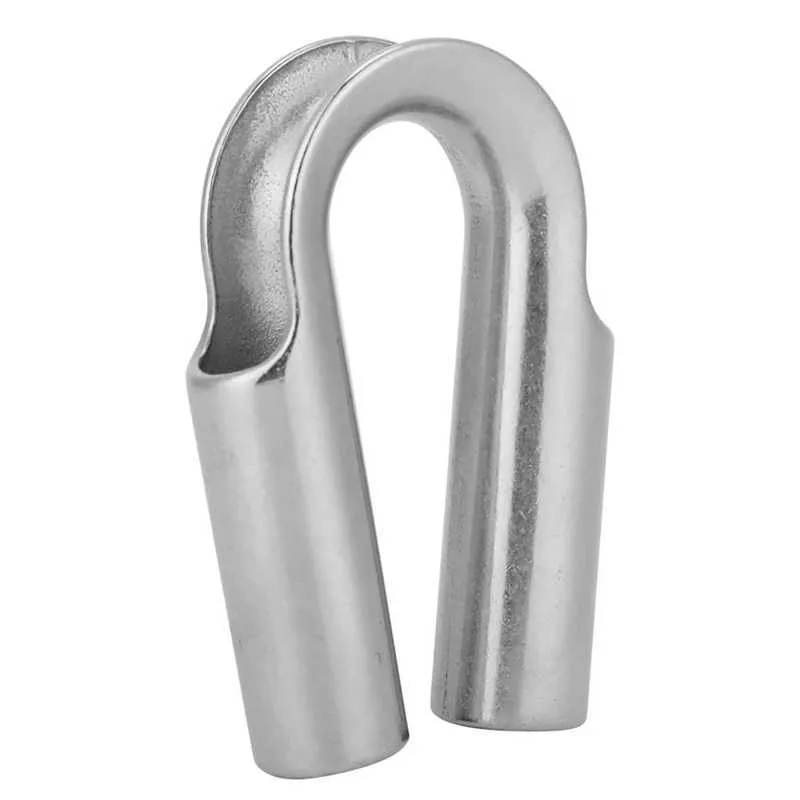
As a sleeve ring, this component is suited for integration into frameworks where a corrosion-resistant metal ring is needed. Its applications span both professional and functional contexts.
Event or Professional Use
In professional mechanical, engineering, or construction settings, this ring can be used as part of fixture assemblies, piping supports, or as a connector in fabricated metal structures. The option for processing customisation means it can be adapted for bespoke machinery, exhibition rigging, or specialised industrial equipment where standard fittings are insufficient.
Everyday Home Use
For domestic workshops, DIY projects, or hobbyist metalwork, this stainless steel ring provides a durable component for building custom furniture, garden structures, or repairing equipment. Its corrosion resistance makes it suitable for outdoor projects like pergolas, gates, or bike racks where weather exposure is a concern.
Benefits and Buying Value
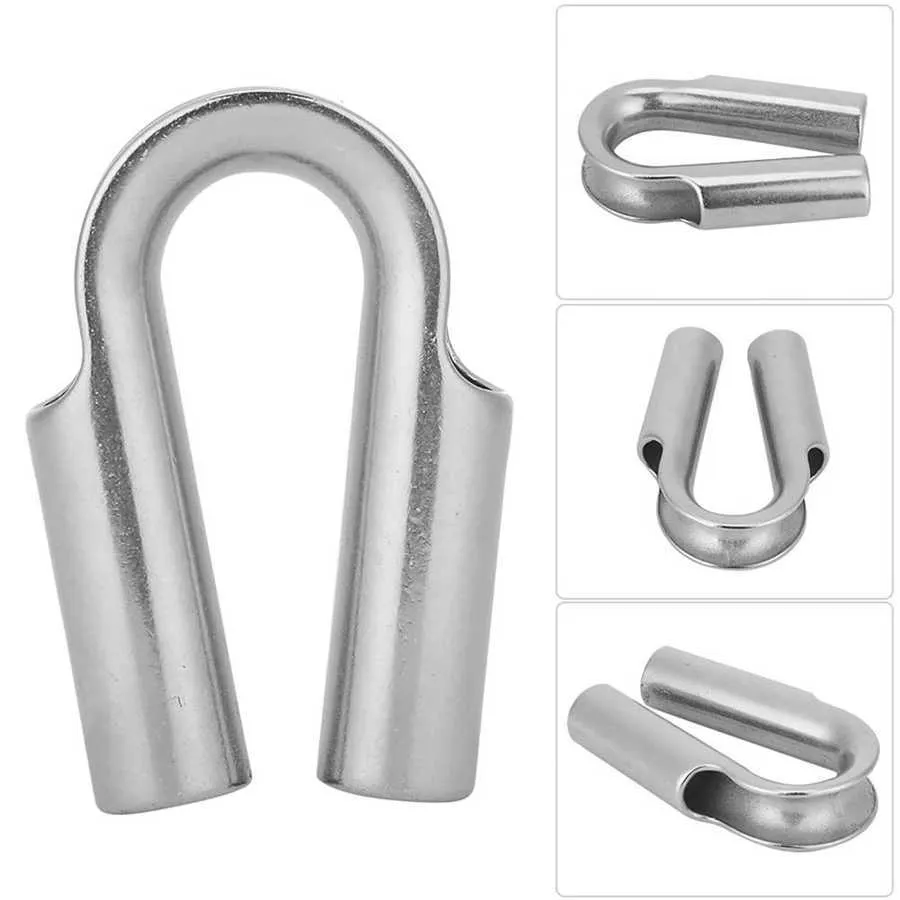
The value of this product lies in its material properties, size availability, and procurement flexibility, offering practical solutions for assembly tasks.
Reuse and Low Maintenance
The stainless steel construction minimises concerns about rust degradation, supporting potential reuse in different projects over time and reducing the need for replacement due to material failure. Its durability stems from the inherent properties of 304/316 steel, meaning it requires no specific protective maintenance beyond standard cleaning if used in soiled environments.
Why Choose This Product
This component stands out for its clear specification range and material clarity. The availability of 13 distinct tubular sizes (M4 to M35) ensures you can find a match for precise dimensional requirements. The choice between 304 and 316 stainless steel grades allows for selection based on the specific corrosion resistance needed for your application environment. Furthermore, the option to order a single piece or a pair prevents unnecessary surplus, and processing customisation offers a route to obtaining a component that fits non-standard project specifications.