
Imported alloy micro-engraving bit made of tungsten carbide tungsten steel for circuit board electronics SMT die hardware and communications industry precision machining with miniature bit sizes from 0.10mm to 2.00mm and ten-set bundles


Imported alloy micro-engraving bit made of tungsten carbide tungsten steel for circuit board electronics SMT die hardware and communications industry precision machining with miniature bit sizes from 0.10mm to 2.00mm and ten-set bundles
Imported Tungsten Carbide Micro-Engraving Bits for Precision Circuit Board and Hardware Machining

For professionals in electronics manufacturing, die production, and communications hardware, achieving consistent, fine-detail machining requires tools that match the material's demands. These imported alloy micro-engraving bits are engineered from tungsten carbide, often called tungsten steel, to meet that need. They bring high hardness, high wear resistance, and significant strength to delicate operations, resisting bending and fracture under load. Available in a complete specification range, they are applicable across the circuit board, electronics, SMT, die, hardware processing, and communications industries where precision is non-negotiable.
Features and Construction
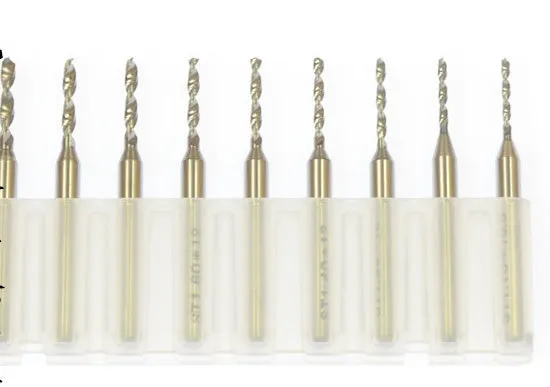
The core value of these bits lies in their material composition and the breadth of available sizes, providing a reliable tool for specific technical tasks.
Material and Build
The bit is constructed from imported cemented carbide, the industrial grade of tungsten carbide known as tungsten steel. This material selection is responsible for the stated properties of high hardness and high wear resistance, which translate directly to the tool's ability to cut dense materials without rapidly dulling. The high strength, bending resistance, and fracture resistance support its use in detailed machining where tool failure can ruin a workpiece.
Size and Practical Fit
The product offers a remarkably comprehensive size range to fit various precision requirements. The specifications are listed as diameter by full length, with miniature bit diameters starting at an ultra-fine 0.10mm and progressing through numerous increments up to 2.00mm. This allows technicians to select the exact tool for the job, whether it's creating microscopic traces on a circuit board or fine details on a metal die. Furthermore, select popular diameters are also available in convenient ten-set bundles, facilitating batch processing or providing ready spares.
Uses and Placement
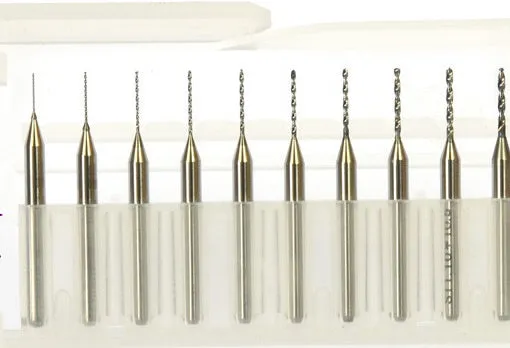
These bits are not general-purpose tools but are targeted at specific industrial processes that demand accuracy and tool integrity.
Event or Professional Use
In professional settings like SMT (Surface-Mount Technology) production lines or precision die shops, these bits are consumable components in CNC engraving machines and high-precision mills. Their applicability to circuit boards, electronics, and communications hardware makes them essential for prototyping and manufacturing components where tolerances are tight. The material properties ensure they can handle the rigours of machining fibreglass, hardened polymers, and soft metals commonly found in these industries.
Everyday Home Use
While designed for industrial applications, advanced hobbyists or makers working on detailed scale models, custom printed circuit boards (PCBs), or intricate jewellery might find the smaller diameter bits suitable for their precision rotary tools or micro mills. The wear resistance offered by tungsten carbide can be a benefit over standard high-speed steel bits when working with abrasive composite materials.
Benefits and Buying Value
The investment in a quality micro-engraving bit is justified by its performance during critical machining operations and its impact on workflow.
Reuse and Low Maintenance
The high wear resistance of the tungsten carbide material means the bit maintains its cutting edge longer than less hardy materials, potentially allowing for more workpieces to be completed between tool changes. This contributes to reduced downtime and more consistent machining results over the tool's life. Proper storage to protect the fine edges is the primary maintenance required.
Why Choose This Product
This product stands out due to its clear material specification—imported tungsten carbide—and its exceptionally wide, clearly defined size range. For a procurement manager or engineer, having access to diameters from 0.10mm to 2.00mm within the same product line simplifies sourcing and ensures tool consistency. The availability of ten-set bundles for key sizes adds practical value for high-volume or critical production runs where tool failure cannot cause delays.