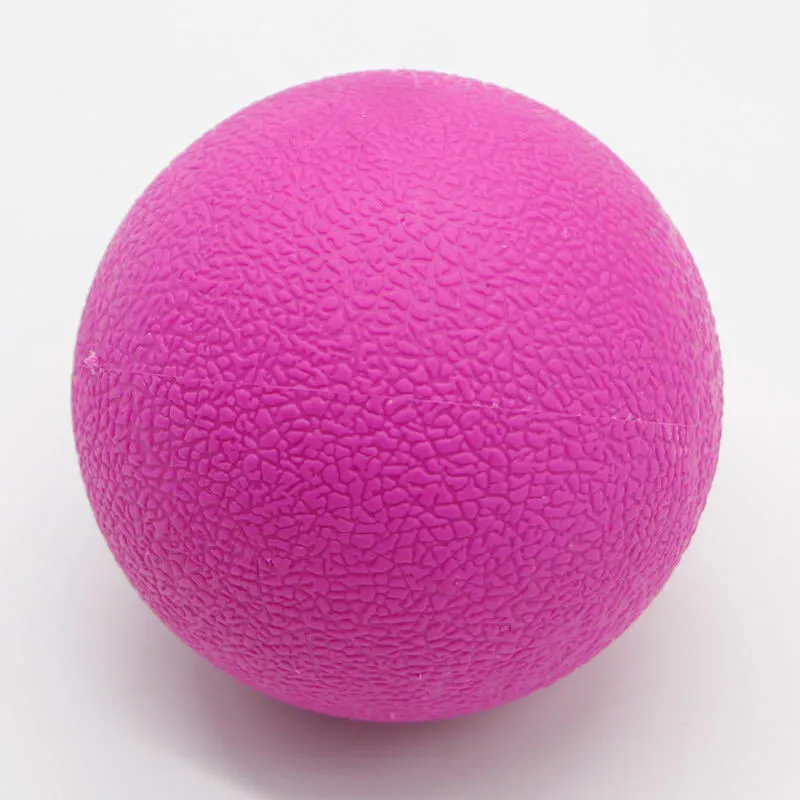
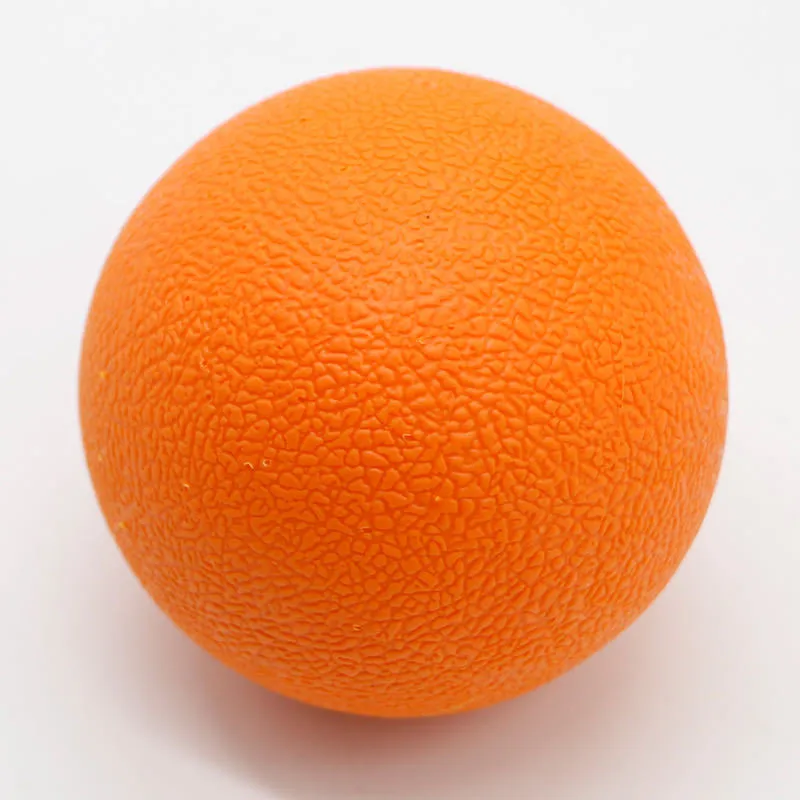
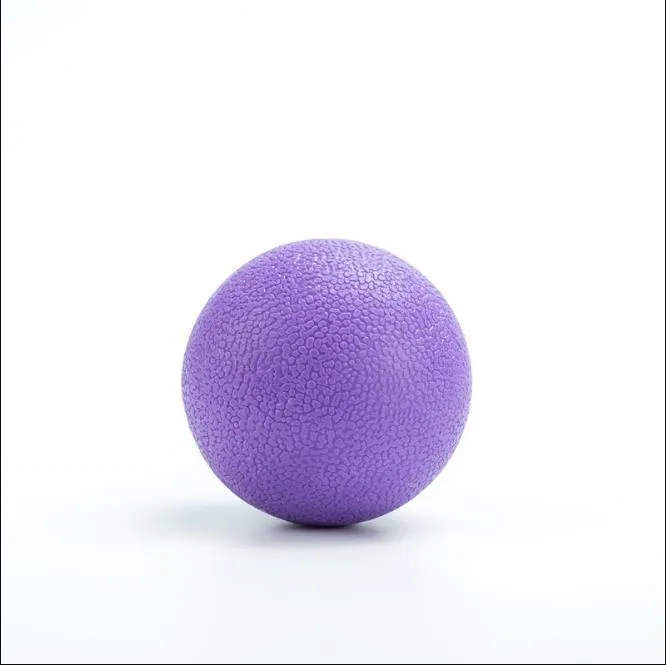
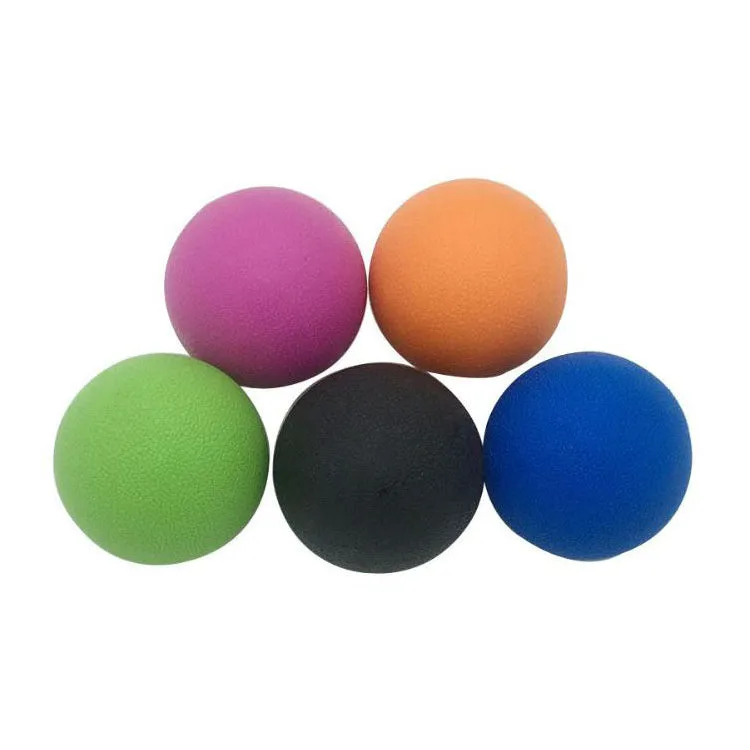
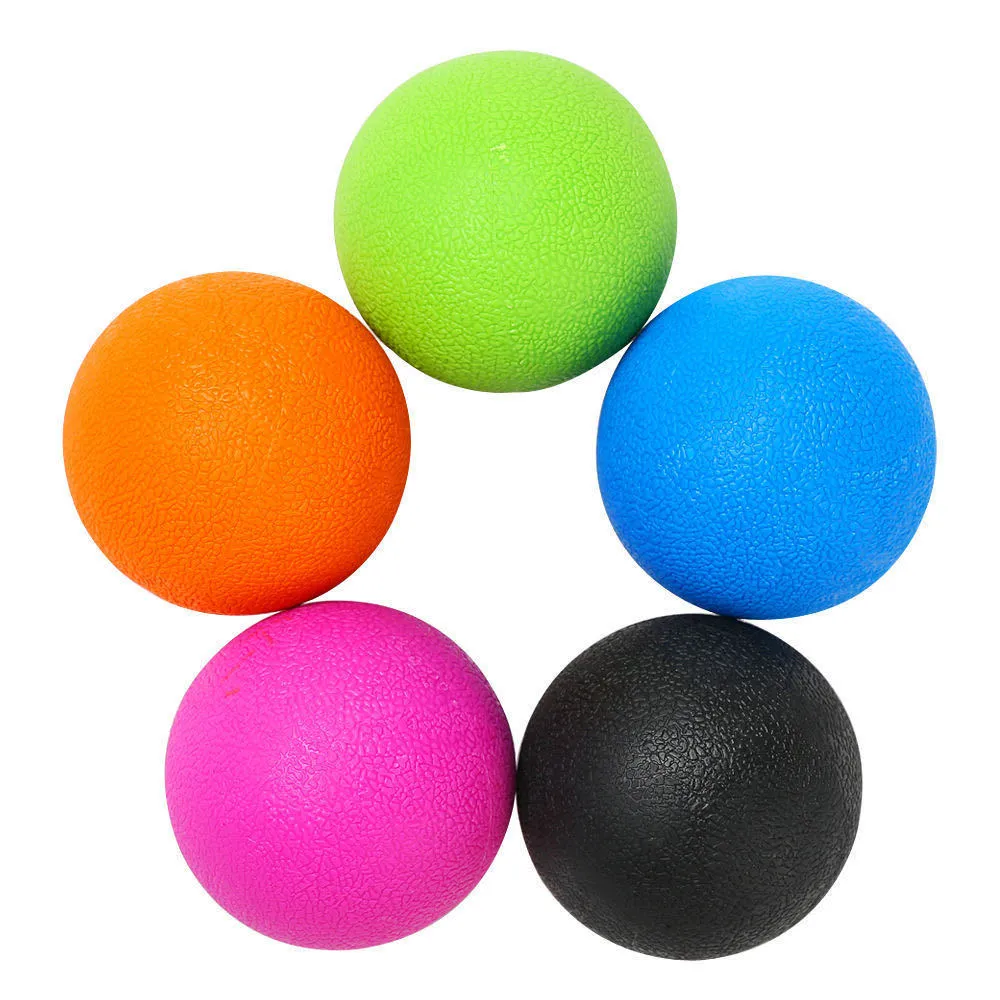
Round yoga massage ball made from TPE for muscle relaxation and fascia release with a 6.1cm diameter, suitable for whole-body therapy including back, neck, and feet, available in six colours: green, purple, blue, black, rose red, and orange.


Round yoga massage ball made from TPE for muscle relaxation and fascia release with a 6.1cm diameter, suitable for whole-body therapy including back, neck, and feet, available in six colours: green, purple, blue, black, rose red, and orange.
6.1cm Round TPE Massage Ball for Muscle Relaxation and Fascia Release
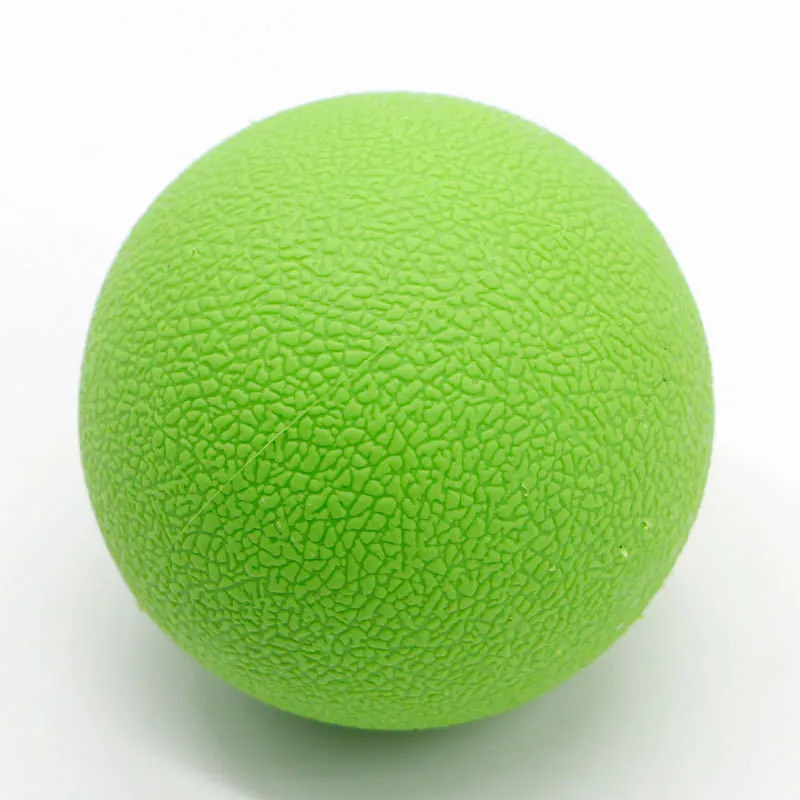
This round massage ball is a dedicated tool for anyone involved in fitness, yoga, or seeking relief from muscular tension. With a specific 6.1cm diameter, it provides a compact and manageable size for applying focused pressure to various parts of the body. Its primary function is to aid in self-relaxation of the fascia, the connective tissue surrounding muscles, which can help alleviate fatigue and support the repair process after physical strain. Designed for health massage and body shaping scenarios, it offers a practical, portable solution for post-activity recovery or routine wellness maintenance, fitting seamlessly into a gym bag or home fitness area.
Features and Construction
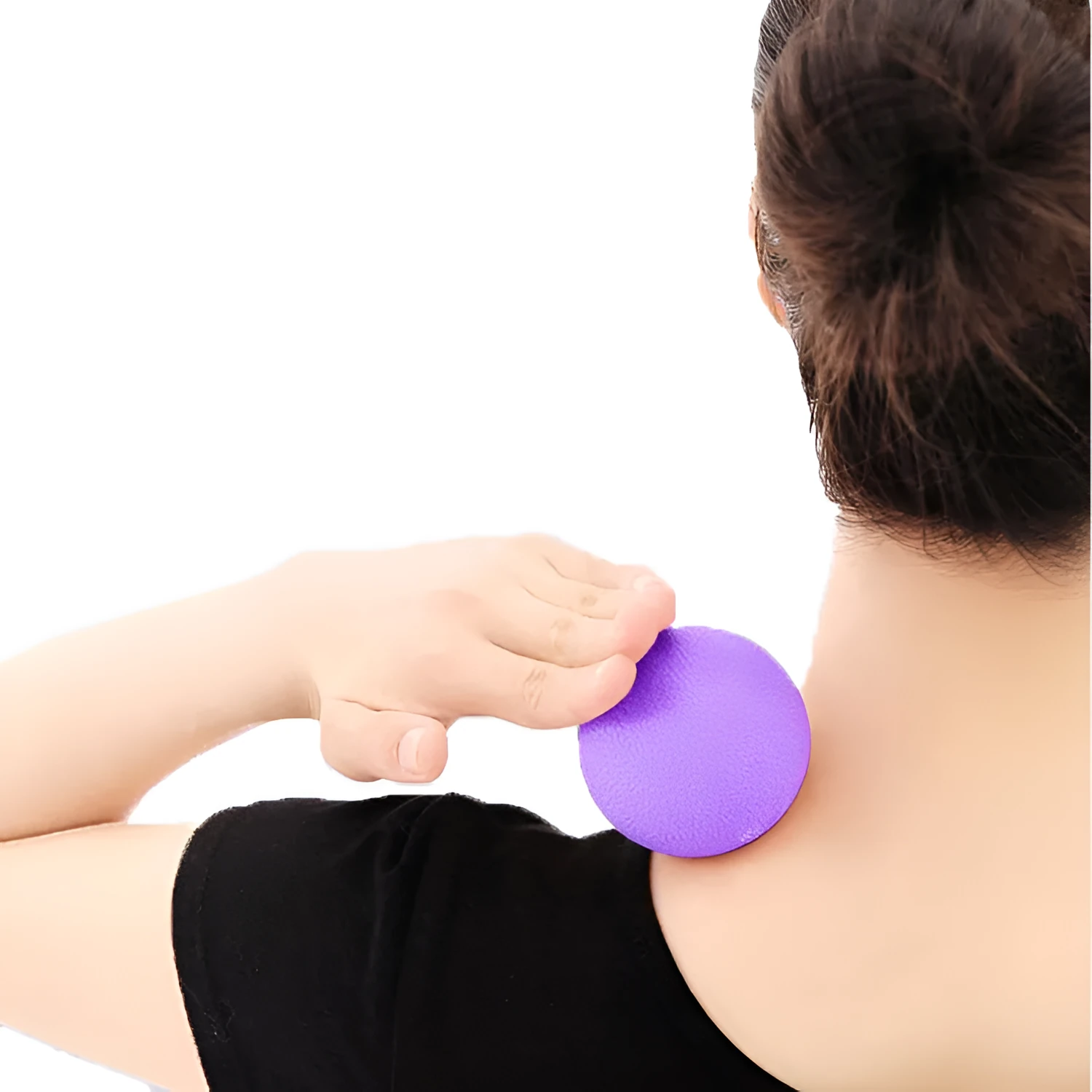
The massage ball's design centres on effective, user-controlled therapy. Its construction and dimensions are chosen to balance accessibility with sufficient pressure application for deep tissue work.
Material and Build
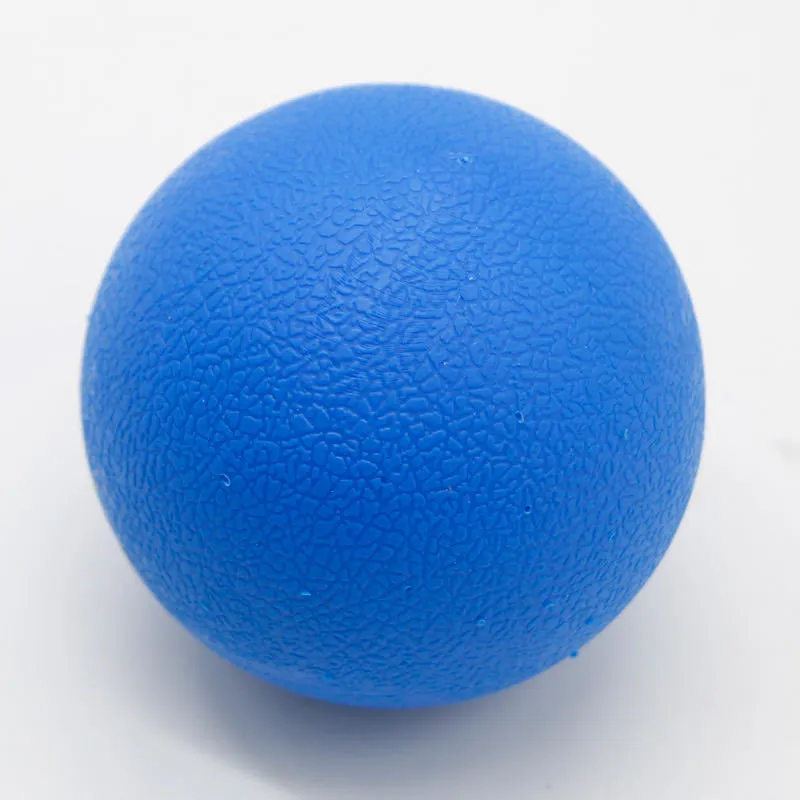
The ball is made from TPE (Thermoplastic Elastomer), a material selected for its flexible and rubber-like properties. This composition allows the ball to compress under pressure and return to its shape, providing the necessary rebound for a rolling massage action. The TPE surface offers enough grip against the skin or clothing to stay in place during use without being overly abrasive, making it suitable for direct application on common massage areas.
Size and Practical Fit
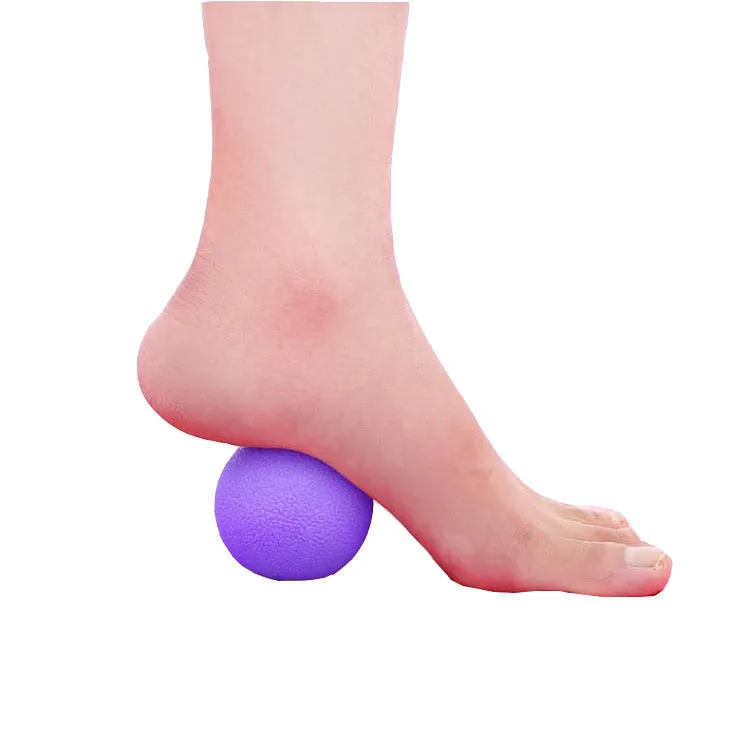
The key specification of this product is its 6.1cm diameter. This size makes it large enough to cover a meaningful surface area for broad muscle groups like the glutes or back, yet small and precise enough to target specific trigger points in the neck, hands, or feet. Its compact nature means it can be used in confined spaces, such as between the shoulder blades and a wall, or under the arch of the foot while seated.
Uses and Placement
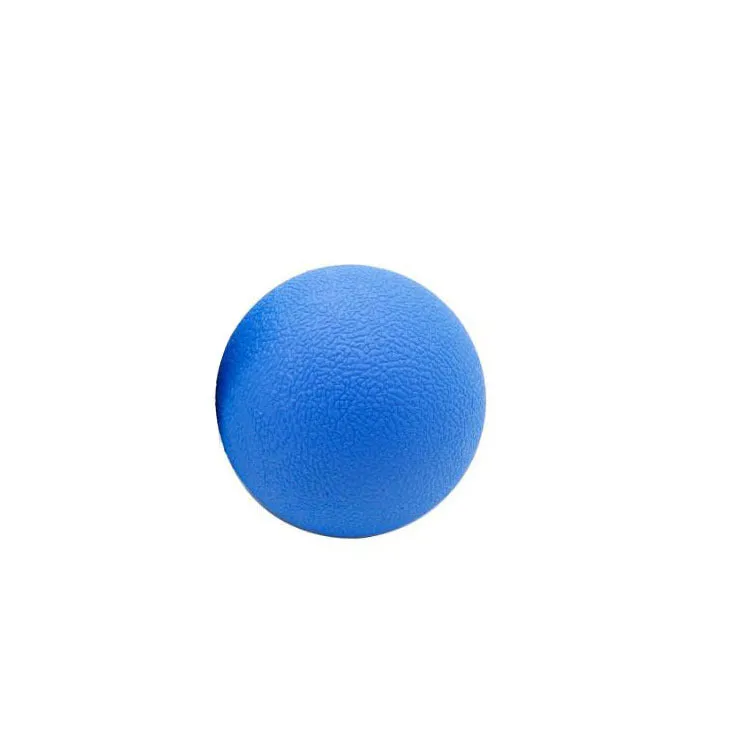
This ball is versatile in its application, intended for both general wellness and more focused fitness recovery routines. Its use cases are clearly outlined for whole-body therapy.
Event or Professional Use
For fitness professionals, physiotherapists, or yoga instructors, this tool can be incorporated into client sessions for assisted myofascial release. Its defined size and TPE material make it a predictable and hygienic accessory for treating common areas of client tension, such as the IT band, calves, or lumbar region, complementing hands-on techniques.
Everyday Home Use
For personal use at home, the ball enables self-administered massage without requiring complex equipment. Users can effectively address tension in the lower back by lying on the ball, work on neck stiffness by applying pressure against a chair, or roll out the soles of the feet after a long day. Its suitability for joints like those in the hands and legs also makes it helpful for those with general stiffness from sedentary work or mild activity.
Benefits and Buying Value
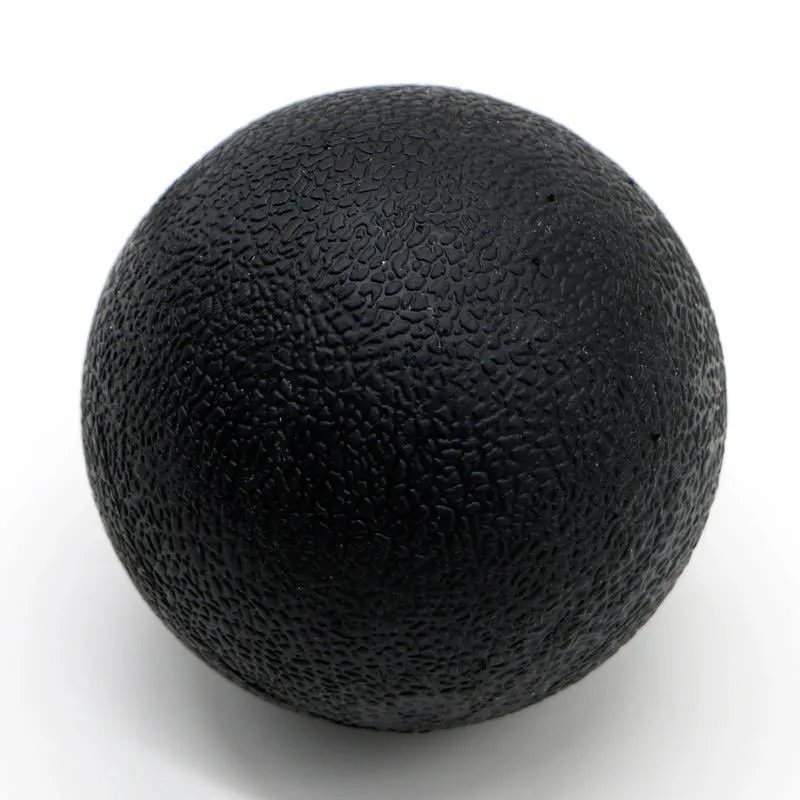
The value of this product lies in its focused design and practicality for regular use, offering a dedicated tool for ongoing muscular care.
Reuse and Low Maintenance
As a single, solid unit made from durable TPE, the massage ball is built for repeated use. Its simple construction has no moving parts or electronic components to fail, and its smooth surface is easy to wipe clean. This makes it a long-lasting addition to a personal wellness kit, providing ongoing value through countless massage sessions without the need for replacement parts or specialist upkeep.
Why Choose This Product
Choosing this specific massage ball comes down to its clear specifications: the 6.1cm TPE construction and its stated purpose for fascia release and muscle fatigue relief. Unlike generic foam rollers or vague massage tools, it offers a defined size and material suited for precise pressure application. The availability in six colours (green, purple, blue, black, rose red, orange) also allows for personal preference or easy identification in a shared setting, adding a small but practical element of choice to its functional design.