
USB development board featuring an ATMEGA32U4 microcontroller with integrated virtual keyboard HID functionality, measuring 50mm by 16mm for compact project integration
ATMEGA32U4
£20.98
Skip to product information

 This USB development board is built around the ATMEGA32U4 microcontroller, a chip specifically designed with native USB support. Its primary function is to emulate a standard USB keyboard, allowing your electronics projects to send keystrokes directly to a computer. With dimensions of just 50mm by 16mm, it's a space-efficient solution for embedding into macro pads, custom controllers, or automated testing rigs. The board arrives ready to be recognised by your operating system, operating at a standard USB data rate for reliable plug-and-play functionality. This eliminates weeks of development time typically spent on understanding USB protocols, letting you concentrate on programming the unique behaviour of your device.
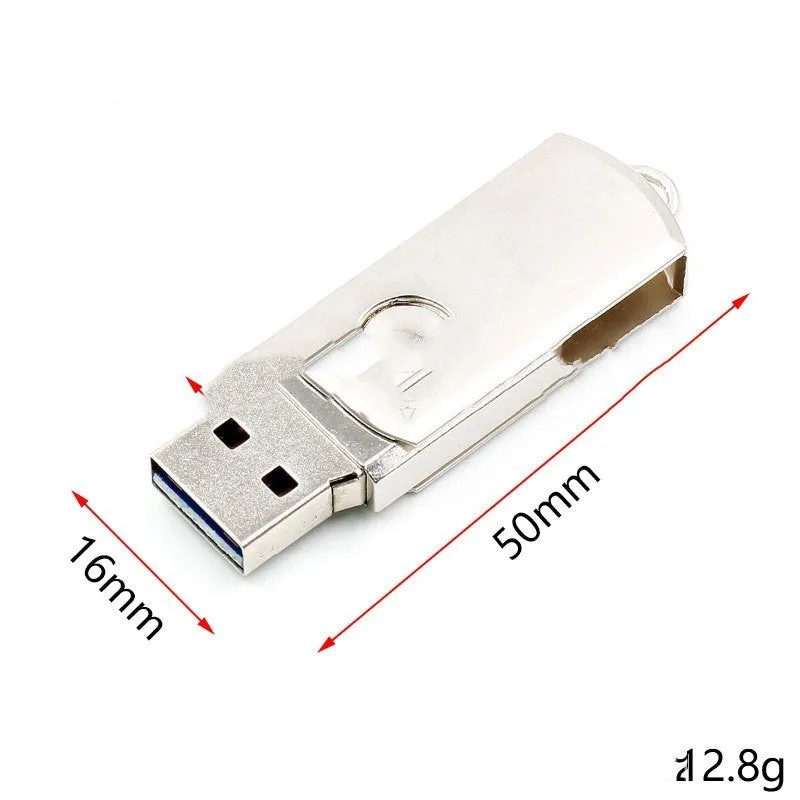 This section details the specific technical attributes and construction of the USB development board, explaining how its design supports robust project development.
 This board opens up a range of specific applications, from professional tools to hobbyist projects, by simplifying USB keyboard emulation.
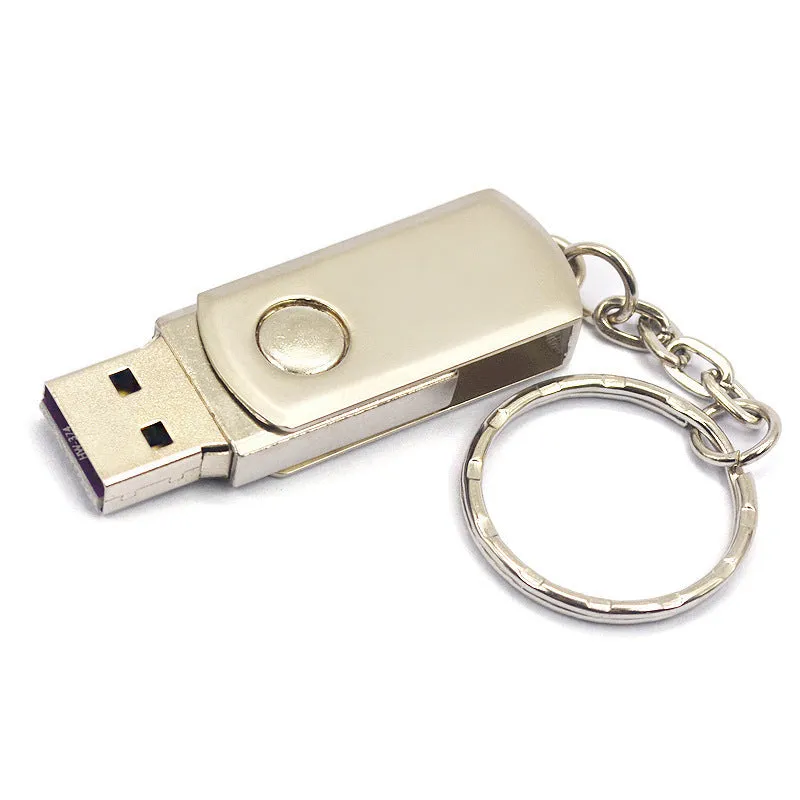 The design of this board provides concrete advantages in terms of development speed, cost, and long-term utility for electronics projects.


USB development board featuring an ATMEGA32U4 microcontroller with integrated virtual keyboard HID functionality, measuring 50mm by 16mm for compact project integration
£20.98
ATMEGA32U4 USB Development Board: A Compact 50mm x 16mm Solution for Custom Keyboard Projects
Core Features and Build Quality of the Development Board
Integrated Microcontroller and USB Design
The heart of the board is the ATMEGA32U4 microcontroller in a surface-mount package. This chip includes the hardware necessary for native USB communication, which is leveraged to present the board as a standard Human Interface Device (HID) keyboard to any connected computer. The design integrates a USB Type-A connector, a crystal oscillator for accurate timing, and all necessary voltage regulation and signal conditioning components onto the 50mm x 16mm PCB. This integrated approach means you don't need to source and solder these foundational parts separately.Technical Specifications and Performance
The board operates at the standard USB Full Speed data rate of 12 Mbps, which is the typical specification for HID devices like keyboards and mice. This ensures compatibility across Windows, macOS, and Linux systems without the need for custom driver software. The ATMEGA32U4 provides 32KB of flash memory for your program code, 2.5KB of SRAM, and 1KB of EEPROM, offering ample space for complex key-mapping logic and macro sequences. The compact 50mm by 16mm footprint is a key technical constraint that dictates the layout, making efficient use of the double-sided PCB.Construction and Durability Details
The board is fabricated on a 1.6mm thick FR-4 fibreglass substrate, a standard material that offers good rigidity and thermal resistance for soldering. Copper traces are protected by a solder mask, and a silkscreen layer clearly labels test points and the microcontroller orientation. While designed for development and prototyping, the use of machine-placed surface-mount components and reflow soldering provides a reliable foundation. For permanent deployment, securing the board inside a protective enclosure is recommended to shield it from physical damage and dust.Practical Applications for the USB Keyboard Board
Professional and Development Use
For software developers and QA testers, this board can be programmed to automate repetitive keyboard sequences during software testing, saving hours of manual input. In industrial settings, it can serve as a simple, reliable interface for machinery where a custom keypad is needed to trigger specific commands on a control PC. Its plug-and-play nature means it can be quickly deployed or swapped between different systems without configuration, a benefit for IT technicians creating custom accessibility tools on the fly.Everyday and Hobbyist Projects
Makers and electronics hobbyists can use this board as the core for building custom macro pads for video editing or gaming, where one button press can execute a complex series of keystrokes. The feeling of creating a physical tool that interacts directly with your computer software is facilitated by the straightforward programming process. The tactile satisfaction of pressing a custom mechanical key switch, wired to this board, and having it perform a specific, programmed action is made possible by the board's reliable HID emulation.Versatility in Prototyping
Beyond keyboards, the ATMEGA32U4's general-purpose I/O pins can be repurposed. While its primary feature is HID emulation, the board can also be reprogrammed as a generic USB serial device, a mouse, or a joystick, making it a versatile prototyping platform for various USB peripherals. Its small size allows it to be retrofitted into existing equipment to add USB keyboard input functionality, such as adding macro buttons to an older piece of hardware.Key Benefits of Choosing This Development Board
Long-Term Value and Cost Efficiency
By integrating the USB interface and microcontroller onto one ready-to-use board, this product saves significant development time and component cost compared to sourcing a separate USB controller chip, crystal, and supporting circuitry. The ability to rapidly prototype a functional USB input device can prevent costly mistakes in a final product design. For small batch production, the board itself can even serve as the final product's core, mounted inside a custom case, offering excellent value for specialised low-volume devices.User Experience and Satisfaction
The confidence that comes from knowing your custom input device will work immediately upon plugging it in is provided by the pre-configured HID firmware on the ATMEGA32U4. This peace of mind allows creators to focus on the creative and functional aspects of their project, rather than wrestling with driver compatibility or USB enumeration issues. The satisfaction of deploying a tool you built yourself, which performs a unique task seamlessly, is a direct result of the board's reliable foundational technology.Reasons to Integrate This Board
If you need to create a reliable, computer-recognised keyboard interface for a project, this board delivers that functionality in its most essential form. The 50mm by 16mm size ensures it won't dominate your build, and the standard USB operation guarantees it will work with the computer you have today. It represents a pragmatic step between a breadboard prototype and a custom-fabricated PCB, offering professional-grade USB capabilities in a developer-friendly format.